How to Use a Body Brush: The Complete Guide to Dry Brushing

Dry brushing is a simple technique that can make a noticeable difference in the look and feel of your skin. Using a body brush helps remove dead skin cells, encourage circulation and leave the skin smoother and more radiant. This guide explains how to use a body brush correctly, outlines the benefits of dry body brushing, and provides advice for different skin types.
What Is Dry Brushing?
Dry brushing, sometimes called body brushing, involves brushing dry skin with a firm, natural-bristle brush before bathing or showering. The process provides gentle exfoliation and helps to stimulate blood flow. It is often used as part of a bodycare routine to support smoother, softer skin and a healthy-looking glow.
How to Use a Body Brush
1. Start with dry skin
Dry brushing should always be done before showering and on completely dry skin. This allows the bristles to remove dead cells more effectively.
2. Brush toward the heart
Start with short strokes and work your way to longer strokes. Begin at the feet and brush upward along the legs. Move from the hands toward the shoulders, then brush the back and torso. This technique helps support circulation and lymphatic flow.
3. Apply light pressure
Use gentle pressure so the brush feels stimulating but not harsh. The skin may appear slightly pink (this is normal) afterward but should not feel sore or irritated. Avoid areas with cuts, sunburn, or inflammation.
4. Rinse in the shower
After brushing, take a warm shower to wash away the dead skin cells that have been loosened during the process.
5. Apply moisturiser
After showering, pat the skin dry and apply a hydrating treatment while the skin is still slightly damp. This helps seal in moisture and support skin softness.
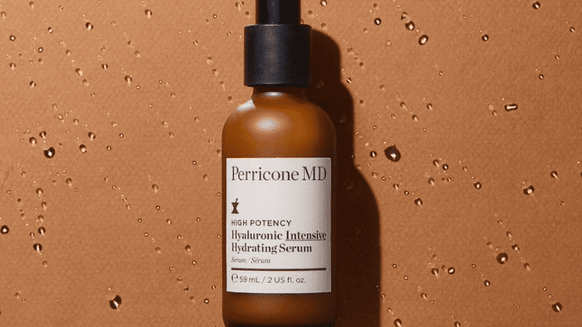
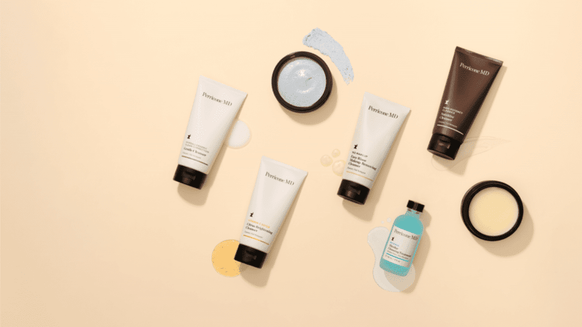
Use Cold Plasma Plus+ The Intensive Hydrating Body Balm to help visibly smooth and firm the skin whilst improving elasticity and tone. For an added boost of hydration, apply High Potency Hyaluronic Intensive Body Therapy, which replenishes moisture with hyaluronic acid and squalane, leaving skin soft and supple.
Moisturising straight after dry brushing supports barrier recovery and keeps skin feeling balanced and comfortable.
6. Repeat two to three times per week
Benefits of Body Brushing
Smoother skin
Dry brushing provides gentle exfoliation, helping to remove dry or rough patches and leaving the surface of the skin softer and more even in texture.
Improved circulation
The brushing motion encourages blood flow to the surface of the skin. Consistent use can help promote a healthy, energised appearance.
Lymphatic support
Brushing toward the heart is thought to help support the lymphatic system, which plays a role in removing waste and toxins from the body.
Enhanced radiance
By promoting cell turnover and removing surface buildup, dry brushing can help reveal a brighter, more luminous complexion all over.
Relaxation and routine
Beyond the physical results, dry brushing can serve as a calming, mindful practice that helps you start or end the day with intention.
How to Adjust Body Brushing for Different Skin Types
Sensitive Skin
If your skin is easily irritated, choose a softer-bristled brush and use lighter pressure. Limit brushing to once a week and avoid areas that tend to react easily, such as the chest or inner thighs. Follow with a soothing, fragrance-free moisturiser.
Dry Skin
Dry skin can benefit from dry brushing, but moderation is key. Keep sessions short and always apply a rich moisturiser immediately afterward to prevent dehydration. Using body oils post-shower can help restore lipids and keep the skin barrier strong.
Oily or Congested Skin
People with oilier skin types may find dry brushing particularly helpful for preventing clogged pores and rough texture on the back, arms, and legs. Brush two to three times a week before showering to help lift away buildup.
Normal or Combination Skin
If your skin generally tolerates exfoliation well, you can dry brush regularly as part of your weekly routine. Adjust pressure and frequency based on how your skin responds over time.
Mature Skin
For mature skin, use slower, gentler strokes and avoid excessive friction. Choose a brush with slightly softer bristles to avoid micro-abrasions and always moisturise immediately after to maintain elasticity and hydration.
Tips for Safe and Effective Dry Brushing
Always brush on dry skin before showering.Use light, even strokes rather than scrubbingAvoid brushing over sensitive, broken or inflamed areas Clean your brush weekly with mild soap and water, letting it dry completely before the next useStop brushing if you experience discomfort or irritation (note: redness is normal)Ask your doctor before dry brushing if you have skin conditions like eczema, psoriasis or varicose veins
Key Takeaway
Learning how to dry brush your body is straightforward, and the technique offers lasting benefits when used consistently. Incorporating body brushing two or three times a week can help maintain smoother, brighter skin while supporting circulation and overall skin health. Adjust your technique based on your skin type, and treat it as a mindful, refreshing step in your self-care routine.
To complete your bodycare ritual, pair dry brushing with a deeply hydrating treatment such as the Cold Plasma Plus+ The Intensive Hydrating Body Balm. When you purchase this new body balm, you’ll also receive a free Body Brush and Cold Plasma Plus+ Lip Therapy. This limited-time offer makes it easier to care for your skin from head to toe and enhance the results of your routine.